|
 |
2026년 원자재 변동성의 시대 |
|
| 원자재 가격은 늘 오르고 내리지만 어떤 해에는 흔들림의 이유가 달라진다. 2026년은 수요와 공급의 숫자만으로 설명하기 어려운 장이 될 가능성이 크다. 에너지 전환이 만든 전기 수요의 급증, 인공지능 데이터센터와 전력망 투자 경쟁, 주요국의 관세와 제재, 해상 운송 리스크가 동시에 겹치기 때문이다. 여기에 기상이변이 농산물의 공급을 흔들면 시장은 작은 뉴스에도 크게 반응한다. 결국 2026년에 변동폭이 클 가능성이 큰 원자재는 단순히 부족한 품목이 아니라 정책과 병목과 기후가 동시에 영향을 주는 품목이다. 그래서 2026년을 읽는 핵심은 무엇이 오를지 맞히는 일보다 어디에서 변동성이 폭발하는지 먼저 파악하는 일에 가깝다. 방향은 맞히기 어려워도 흔들림의 구조는 미리 볼 수 있기 때문이다. |
|
|
 |
극초음속 무기의 군사적·상업적 잠재력 |
|
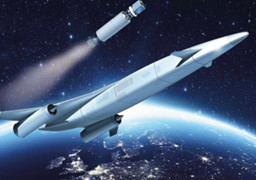
| 극초음속 비행은 무기 선진화에 있어 가장 최신의 기술이다. 중국, 러시아, 미국이 테스트하고 있는 형태는 여전히 초기 단계에 머무르고 있다. 그러나 더 멀리 본다면, 이 기술의 핵심은 극초음속 무기에만 그 잠재력이 국한되는 것이 아니라, 상업용으로도 거대한 혁명을 가져올 수 있다는 데 있다. 어떤 점들이 획기적인 것일까? 앞으로 이용 가능한 것으로 예상되는 것들은 무엇일까? 군사 전략가, 소비자, 투자자들에게는 어떤 의미가 있을까? |
|
|
 |
The Surge in Text Me |
|
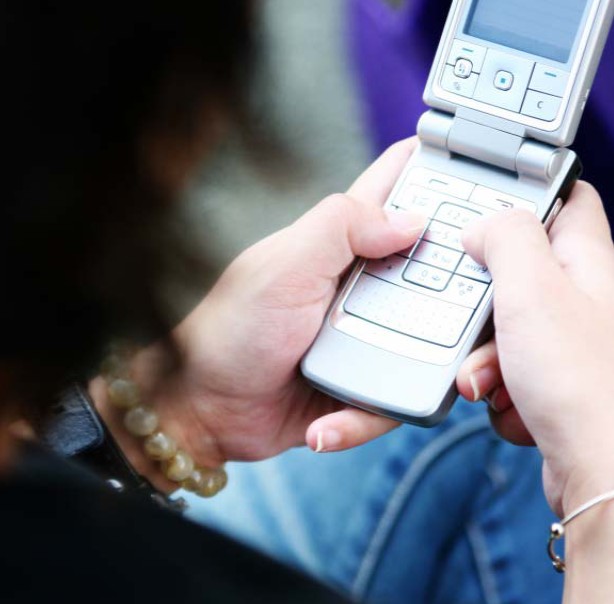
| Mobile phones that can send and receive text messages have finally reached critical mass in the United States. Some 90 percent of the nearly 200 million phones in the U.S. now have that capability. As one CEO put it, the cell phone has become “the third screen” in people’s lives, after the TV and the PC. |
|
|
 |
Inflation Remains a |
|
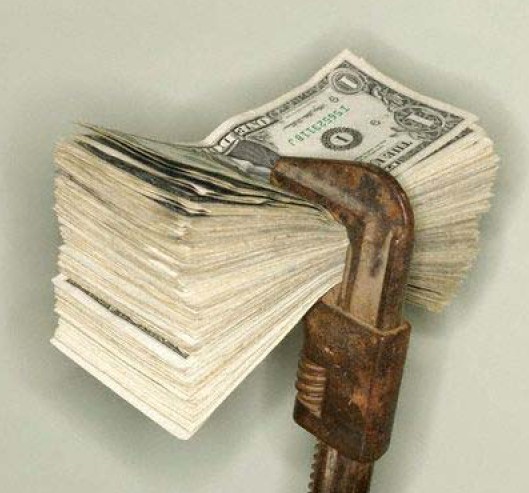
| Many Americans assume that inflation is rising. They fear that the recent increase in commodity prices will lead to higher finished goods producer prices and then higher consumer prices. This fear is intensified because people tend to notice when prices go up for products they buy most often.
As economist A. Gary Shilling points out in a recent commentary, such “widespread fears of inflation are understandable. Historically, inflation is a wartime phenomenon when government spending is huge, while deflation reigns in peacetime. Still, the nation suffered a uniquely long 60 years of war, which started with rearmament in the late 1930s, was followed by World War II, which promptly gave way to the Cold War that was augmented by the War on Poverty. So, most Americans have never experienced anything but inflation, which they believe is the way God made the world.” |
|
|
 |
Hot, Flat, and Crowd |
|
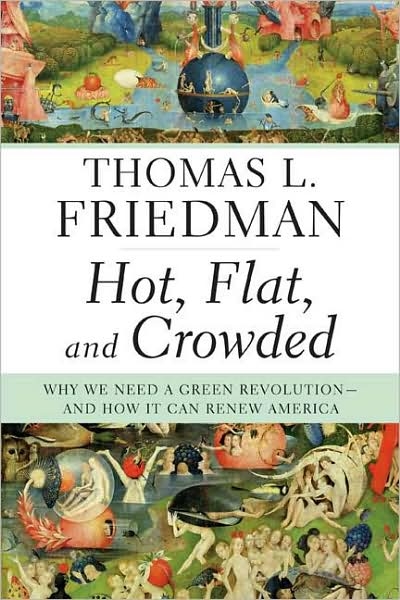
| ÀúÀÚ | Thomas L. Friedman |
| ÃâÆǻç | Farrar, Straus and Giroux |
|


 [55]±Ç

