|
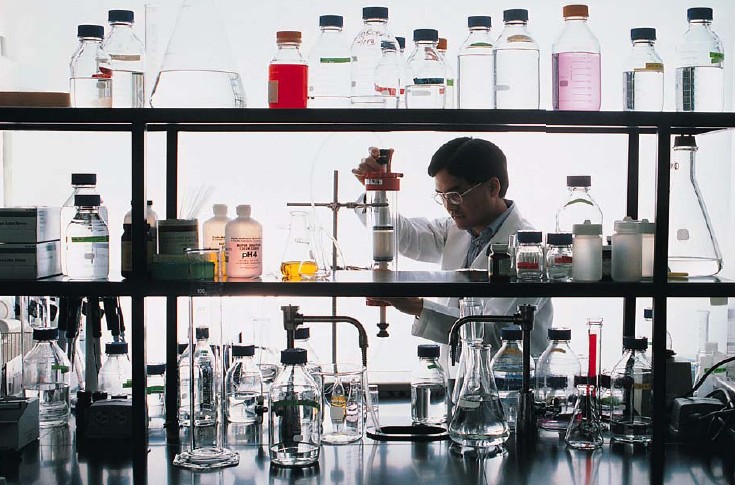 |
The Reverse Brain Dr |
|
| As we萸춅 discussed on many occasions, the primary driver of economic well being in the rest of the 21st century will be innovation. For more than a century, the United States has been the world萸� most vibrant economy ?largely because it has been the consistent leader in scientific research and innovation. Regardless of whether you measured this innovation in terms of scientific papers published, or the number of patents issued, the U.S. always left the competition in the dust. |
|
|
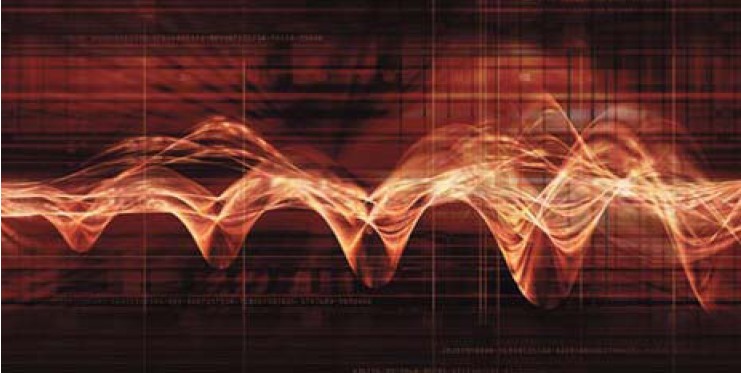 |
The Radio Frequency |
|
| In the last few years, the electromagnetic spectrum has quietly become a critical part of contemporary life. It enables you to communicate with mobile phones, use remote controls, tune in TV stations, pop corn in the microwave, open your car door without a key, listen to radio stations, and surf the Internet when you��셱e sipping coffee at Starbucks. |
|
|
 |
The Patent Litigatio |
|
| Patent and copyright protection are included in the U.S. Constitution as a way to safeguard scientific and commercial innovations, as well as books, movies, music and other creative products. But, unlike laws protecting personal property, the copyright and patent laws are supposed to ��쐏romote the progress of science and useful arts.��� |
|
|
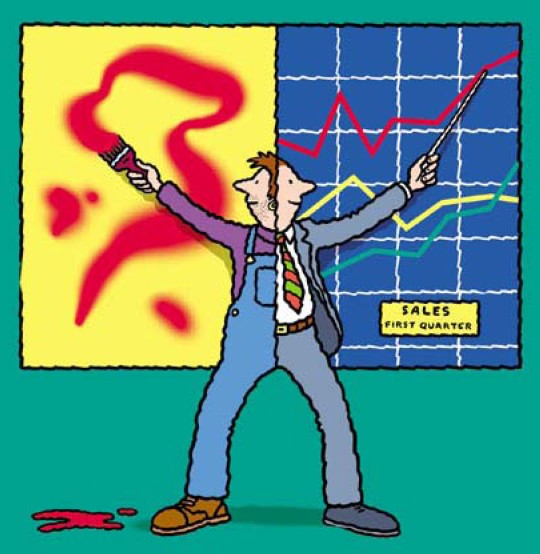 |
The Hyper-Human Econ |
|
| As machines and software take over more and more of the work that people once performed, we will see profound changes in the labor market. |
|
|
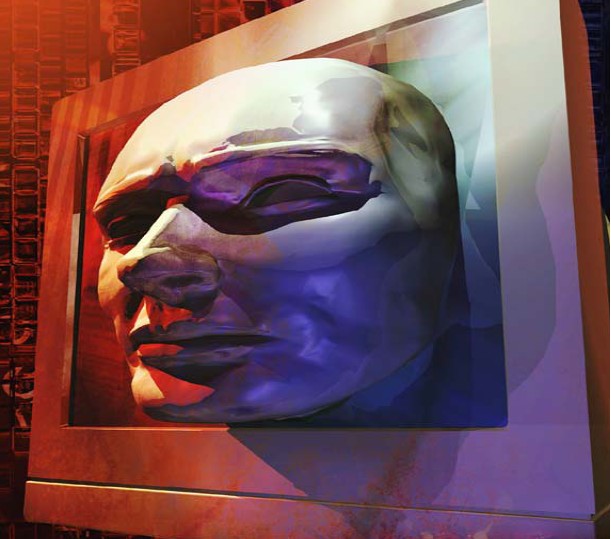 |
Quantum Computing Ad |
|
| Many of the problems of nanotech, biotech, and anti-terrorism are so complex that today萸� computers ?based on an architecture defined nearly 60 years ago ?can萸� address them. However, hope is on the horizon as researchers get closer and closer to building commercially viable quantum computers. |
|
|


 [399]권

