|
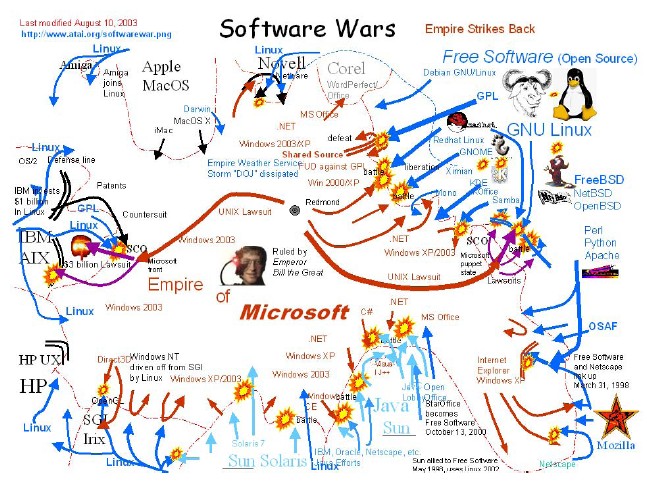 |
Software Wars Challe |
|
| The Massachusetts computer and software industry is legendary. |
|
|
 |
Video Gaming Becomes |
|
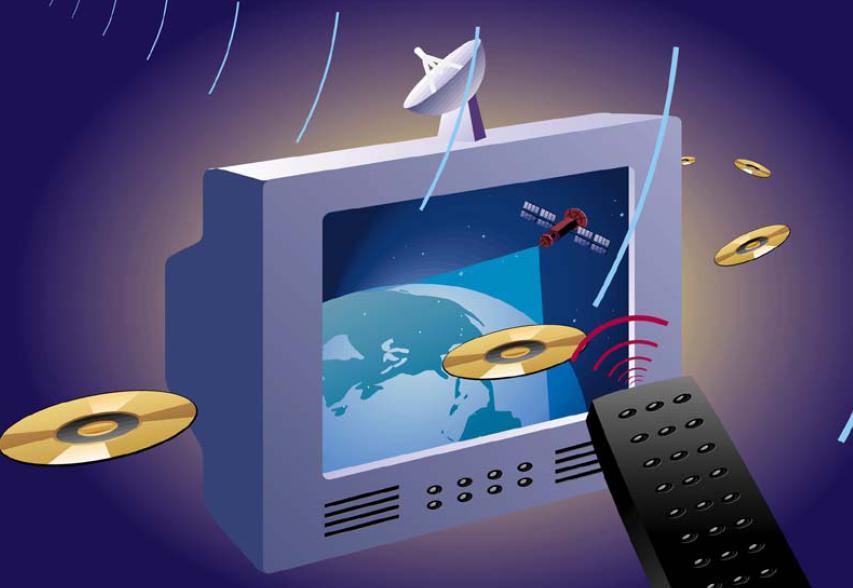
| The market for home video games is only 30 years old. It began in 1975, when Atari released a home version of Pong. Global industry sales of home video games totaled $28 billion in 2002, the last year for which reliable worldwide industry figures are available. In the same year, U.S. sales of computer and video game hardware and software exceeded $11 billion and probably surpassed $13 billion in 2003. |
|
|
 |
This is Not Your Fat |
|
| For the past three years, the living room has been the center of the digital gold rush. Consumers have fueled the rush as they upgraded to large-screen TVs, audio systems that promise Dolby ��쐓urround sound,��� and DVD players that deliver super-crisp images. |
|
|
 |
The Post-PC Era is E |
|
| Perhaps no other invention revolutionized the world as profoundly as the personal computer. From the clunky, bug-ridden devices that were assembled from mail-order parts by a small number of geeks in garages in the 1970s ?to the sleek machines of today, the PC has become a vital tool in the work and personal lives of nearly every American. |
|
|
 |
Membership in Virtua |
|
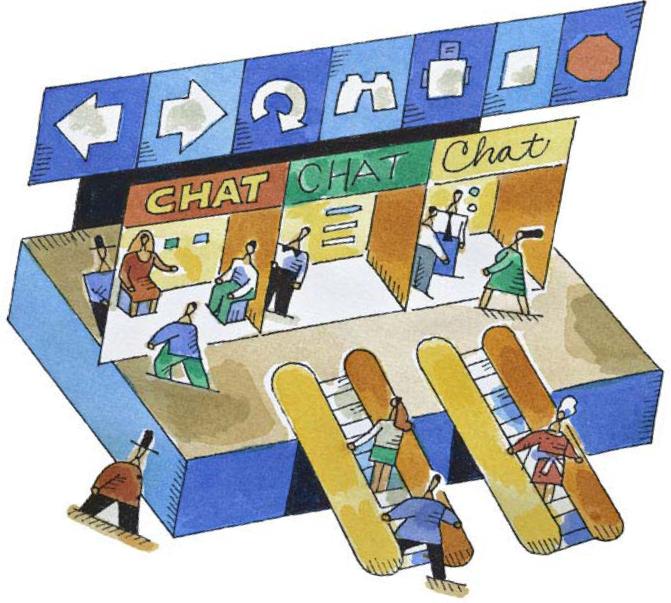
| Enormous increases in processing power and bandwidth are blurring the lines between the real world and the virtual one. As work, education, government, and entertainment have moved on-line, the barriers of space and time that formerly marked different parts of people��셲 lives have disappeared. Virtual work teams, telecommuting, long-distance learning, and electronic shopping for many have resulted in an ��쏿nything, anywhere, anytime��� lifestyle, in which formerly distinct areas of people��셲 lives are now intertwined in cyberspace. People��셲 lives and their relationships with others are increasingly taking place in this electronic reality. As a result, digital technology has transformed the personal and public lives of most Americans over the past 15 years. |
|
|


 [399]권

