|
 |
The New Era of Publi |
|
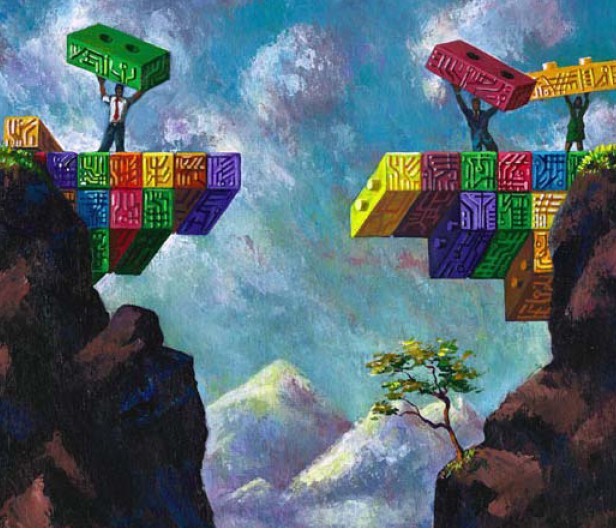
| As Bill Clinton acknowledged in 1995, ��쏷he era of big government is over.��� However, society still needs to make investments in huge infrastructure projects like highways, dams, and cultural institutions. When developing these big projects while maintaining a smaller government, the solution is increasingly to turn to ��쐏ublic-private partnerships,��� to which both government and private enterprise bring their unique advantages. |
|
|
 |
Kill All the Trial L |
|
| If any elected official stood before Congress and proposed raising taxes for the average family of four by $3,380 per year, he or she would find himself voted out of office in the next election. |
|
|
 |
Global Cash Surplus |
|
| As we��셶e forecasted previously in Trends, the prices of higher-end homes, which cost $1 million and up, have softened in recent months. But overall, U.S. housing prices have continued to rise, climbing 14.5 percent in the year ending June 30, 2005. That��셲 the fastest annual pace in 25 years. |
|
|
 |
The Outlook for HDTV |
|
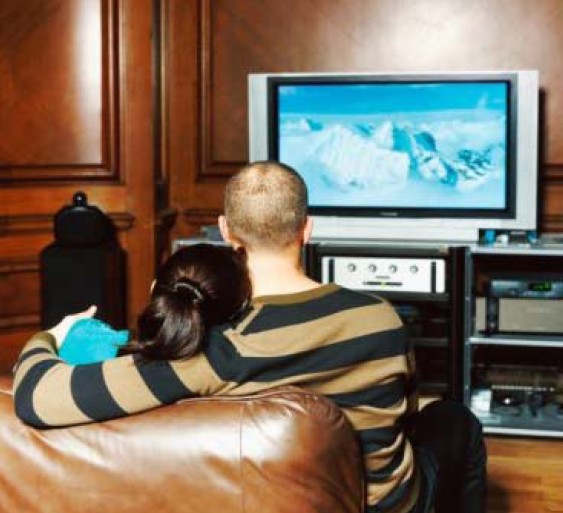
| In the late 1990s, when the first television channels began offering high-definition television, few U.S. households had HDTV sets to receive the signals, and it��셲 no wonder: Shows in high-def were scarce, and the average price of an HDTV set was $3,147. |
|
|
 |
Technology Moves Us |
|
| In The Matrix movie trilogy, humans were plugged into a powerful computer that created sensory experiences that existed only in their minds. It appears that the Sony Corporation is quietly working on a project intended to make the Matrix a reality. Five years ago, the Japanese entertainment company filed a patent for a method of firing ultrasound pulses at a person��셲 brain. |
|
|


 [161]권

