|
 |
湲곌퀎媛� �씤媛꾩쓽 �씪�옄由щ�� 鍮쇱븮�쓣 寃껋씤媛� |
|
| �꽌鍮꾩뒪 �궛�뾽怨� �젣議곗뾽�뿉�꽌 �궗�슜�릺�뒗 �꽕�듃�썙�겕�솕�맂 吏��꽦, �뒪留덊듃 癒몄떊, 濡쒕큸 �벑��� 吏�湲덇퉴吏��쓽 ��섏씪�쓽 �꽭怨꾟�숇�� �쉷湲곗쟻�쑝濡� 蹂��솕�떆�궎怨� �엳�떎. 2050�뀈�뿉 �씠瑜대㈃ �뼹留덈굹 留롮�� 蹂��솕媛� �씠琉꾩쭏吏� 吏먯옉議곗감 �옒�뱾 �젙�룄�떎. �븵�쑝濡� �뼱�뼡 寃껊뱾�씠 �뙆愿대릺怨� �뼱�뼡 湲고쉶媛� 諛쒖깮�븷 寃껋씤媛�? �씠�윭�븳 吏꾪솕 �냽�뿉�꽌 �끂�룞�옄, 寃쎌쁺�옄, �닾�옄�옄�뒗 �뼱�뼸寃� 理쒖꽑�쓽 湲몄쓣 李얠쓣 寃껋씤媛�? |
|
|
 |
The Upside |
|
| 저자 | Adrian J. Slywotzky �쇅 |
| 출판사 | Crown Business |
|
 |
諛깆떊 �쁺紐� The Vaccine Re |
|
| �쓽猷� �꽌鍮꾩뒪�쓽 吏�, �쑀�슚�꽦 諛� 鍮꾩슜�뿉 愿��븳 理쒓렐 �끉�웳�뿉�꽌 媛��옣 �겙 愿��떖�궗�뒗 ��섎퉬�슜"�씠�떎. �뿬湲곗꽌 鍮꾩슜�씠��� 蹂대떎 �궙��� �뿰援� �닾�옄鍮꾨�� 留먰븯�뒗 寃껋씠 �븘�땲�씪 �떎�젣 媛쒖씤怨� �궗�쉶媛� 吏�遺덊빐�빞 �븷 鍮꾩슜 硫붿빱�땲利섏쓣 �쓽誘명븳�떎. 利� �뼢�긽�맂 �꽦怨쇰�� �삱由щ젮�뒗 �끂�젰蹂대떎�뒗 �떎�젣濡� ����졃�븳 鍮꾩슜�쑝濡� 理쒓퀬�쓽 �쓽猷� �꽌鍮꾩뒪瑜� �젣怨듬컺�쓣 �닔 �엳�뒗吏�媛� 愿��떖�쓽 �빑�떖�씠�떎. |
|
|
 |
China Moves Beyond " |
|
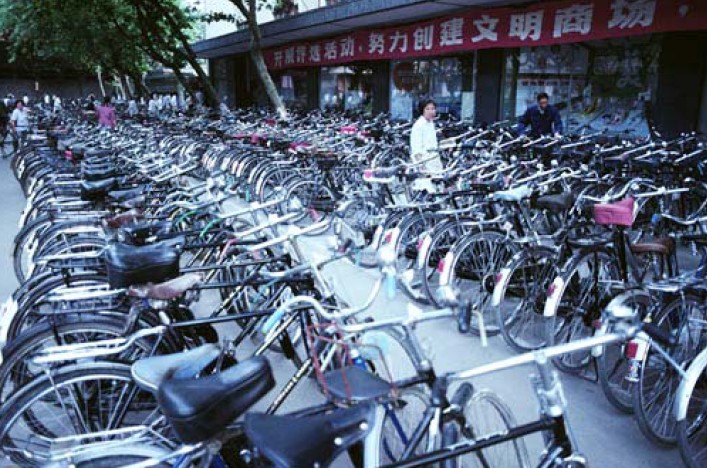
| Over the past few years, China has pursued an aggressive policy of increasing its gross domestic product at all costs. This has led to what some pundits have hailed as an ��쐃conomic miracle��� of growth in China as it moves toward a capitalist free market model. |
|
|
 |
Resilience Is the De |
|
| Most business executives have traditionally viewed business models as static constructs that work on a simple input-output method. And yet today, because of a variety of forces, from globalization to the information revolution, companies are being forced to face the fact that nothing is static anymore. All systems, including business models and strategies, are dynamic and ever-evolving. |
|
|


 [47]권
[47]권 

