|
 |
생존 경쟁이 더 치열해지는 스타트업 |
|
| 경제 전반의 성장은 둔화되고 있지만, 온라인 비즈니스 모델을 갖춘 신생 기업들은 전례 없는 성공을 구가하고 있다. 이들이 성공할 수 있었던 요인은 무엇인가? 이를 통해 우리는 무엇을 배울 수 있는가? 기술과 경제가 접합되는 지점에서 이들과 같은 기업들의 새로운 시도가 의미하는 바는 무엇인가? |
|
|
 |
월가의 죽음과 부활 |
|
| <br>25년 이상 월가를 이끌었던 비즈니스 모델이 무너졌다. 무슨 일이 벌어진 것인가? 금융 분야와 경제 전반에 무엇을 의미하는가? 앞으로 수개월 동안 어떤 일이 일어날 것이라 예상할 수 있을까? 이러한 사태 속에서 우리는 무엇을 배울 수 있을까? |
|
|
 |
‘빅 데이터(Big Data)’ 혁명 |
|
| 오늘날 온라인에는 수많은 거래 내역이 존재한다. 기업들이 보유한 이러한 상세 거래 내역의 폭발적 증가와 더불어 멀티미디어, 소셜 미디어로 인해 머지않은 미래에 데이터 거래량은 기하급수적으로 늘어날 전망이다. 우리는 이를 ‘빅 데이터’로 부른다. 빅 데이터는 누군가에게는 획기적인 경쟁력을, 또 다른 누군가에게는 재앙을 뜻할 수도 있다. 산업이나 지역을 떠나, 빅데이터로 인한 기회와 위협은 가히 혁명적이라 할 만하다. |
|
|
 |
Resilience Is the De |
|
| Most business executives have traditionally viewed business models as static constructs that work on a simple input-output method. And yet today, because of a variety of forces, from globalization to the information revolution, companies are being forced to face the fact that nothing is static anymore. All systems, including business models and strategies, are dynamic and ever-evolving. |
|
|
 |
The Economics of the |
|
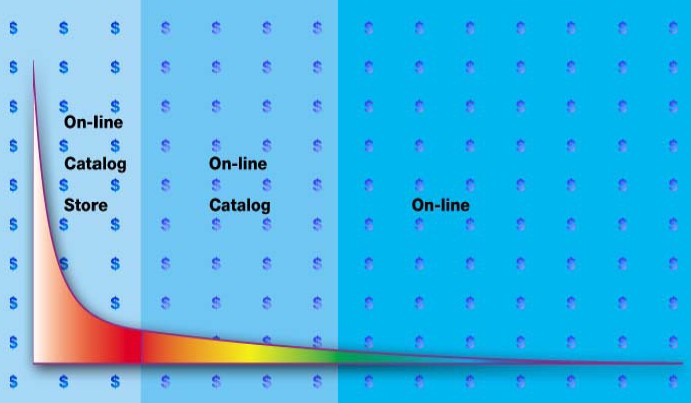
| Most people have heard of the 80-20 Rule. It was formulated in 1906 by an Italian economist named Vilfredo Pareto. In its original form, it states that 20 percent of the people will hold 80 percent of the wealth in any free economy. Further research has shown that it applies to many other aspects of the economy. |
|
|


 [87]±Ç

