|
 |
Who Not How |
|
| 저자 | Dan Sullivan �쇅 |
| 출판사 | Hay House Business |
|
 |
[RH] �씤媛� �뻾�룞�쓣 �꽕紐낇븯�뒗 �닔�븰�쟻 |
|
| �빆怨듦텒 �삁�빟, �옄�룞李� 援ъ엯, �깉 �븘�뙆�듃瑜� 李얠쓣 �븣 �슦由щ뒗 �빆�긽 媛숈�� 吏덈Ц�쓣 �븳�떎. ��쒗븳李� �쑉嫄곗슱 �븣 (�뜑 �삤瑜닿린 �쟾�뿉) 諛쏆븘�뱾�뿬�빞 �빀�땲源�? �븘�땲硫� �뜑 �굹��� �젣�븞�씠 �굹�삱 �븣源뚯�� 湲곕떎�젮�빞 �빀�땲源�?��� �궗�엺�뱾��� 醫낆쥌 ����븞�씠 �룞�떆(simultaneously)蹂대떎�뒗 �뿰�냽�쟻�쑝濡� �젣�떆�맆 �븣 寃곗젙�쓣 �궡由ш린媛� �뼱�졄�떎�뒗 寃껋쓣 �븣寃� �맂�떎. �떆媛꾩씠 �젣�븳�릺�뼱 �엳怨� 吏�湲� 嫄곗젅�븳 �젣�븞�씠 �굹以묒뿉 �뜑 �씠�긽 �젣怨듬릺吏� �븡�쓣 �븣�뒗 �쓽�궗寃곗젙�씠 �뜑�슧 �뼱�젮�썙吏꾨떎. |
|
|
 |
Founder Brand |
|
| 저자 | Dave Gerhardt |
| 출판사 | Lioncrest Publishing |
|
 |
The Increasingly Bin |
|
| Over the past 15 years, the United States has become the world��셲 sole superpower, dwarfing every other nation in terms of economic and military might. And while Japan, Russia, and the EU have fallen further behind, one nation has emerged to join the U.S. as the primary driver of global prosperity: China. In astronomical terms, we might envision the U.S. and Chinese economies as two stars revolving about each other, while accelerating and pulling a host of planets along with them. |
|
|
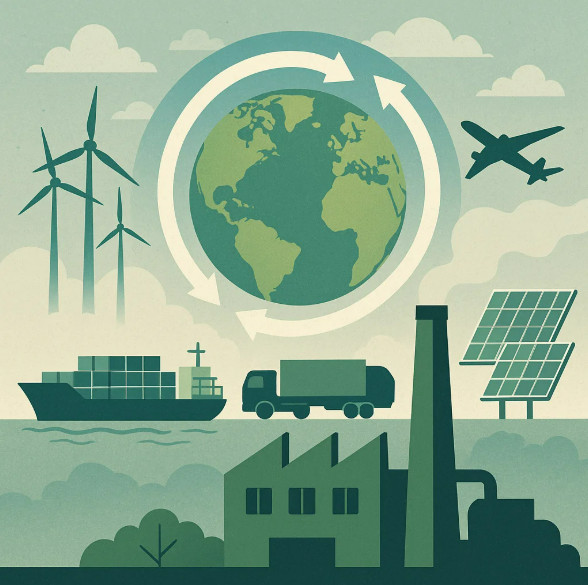 |
湲�濡쒕쾶 怨듦툒留앹쓽 ����쟾�솚: �젣議곗뾽 以묒떖 |
|
| �삤�옯�룞�븞 湲�濡쒕쾶 怨듦툒留앹�� ��섏��鍮꾩슜쨌怨좎냽��숈씠�씪�뒗 �썝移� �쐞�뿉�꽌 �옉�룞�빐�솕�떎. 洹몃윭�굹 湲고썑 �쐞湲곌�� 媛��냽�솕�릺怨� 援��젣 �궗�쉶媛� �깂�냼 諛곗텧 洹쒖젣瑜� 媛뺥솕�븯硫댁꽌 �씠�젣 怨듦툒留앹�� �깉濡쒖슫 �깮議� 議곌굔�뿉 吏곷㈃�븯寃� �릺�뿀�떎. �떒�닚�엳 �떥怨� 鍮좊Ⅴ寃� �깮�궛�븯�뒗 寃껊쭔�쑝濡쒕뒗 �떆�옣�뿉 �젒洹쇳븷 �닔 �뾾�뒗 �떆���媛� �맂 寃껋씠�떎. |
|
|


 [55]권
[55]권 

